clowdev

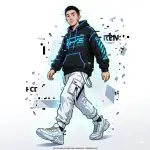
Multi-panel comic book style

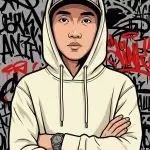
Multi-panel comic book style

Image Generation
comic book
Share Post :
Convert this image into a 3:4 high-energy multi-panel comic-print poster: recomposed full-body low-angle pose split into a layered, overlapping panel grid with aggressive motion slashes, one saturated accent color reserved strictly for movement trails, heavy black action silhouettes, energized ink splatter, and aged paper creases for a kinetic magazine spread. Keep the subject's identity, pose, costume details, and key props fully recognizable; allow recomposition of limbs and foreshortening to emphasize motion and panel flow.

CHARACTER: Restyle the subject into bold comic-print anatomy: simplified planes, graphic contour edges, and a silhouette-first approach that preserves face likeness, costume motifs, and accessory placement. Translate clothing folds into thick brushy strokes and flat graphic blocks; retain original costume shapes but exaggerate motion lines and trailing fabric for panel-to-panel continuity.

FACE & ANATOMY: Use canonical comic facial logic: simplified nose and mouth, slightly enlarged expressive eyes within a realistic proportion range, strong jawline rendered as solid contour masses. Adopt dynamic foreshortening for the low-angle pose with 7:1 head-to-body emphasis in action shots, exaggerated limb compression on impact frames, and simplified hands with clear silhouette read for fast readability.

ENVIRONMENT: RESTYLE the background into layered panel flats and distressed paper textures; rebuild environment only where needed to sell depth and motion (ground planes, horizon slashes, urban linework). Arrange overlapping panels that break gutters intentionally so motion trails and silhouettes traverse panel borders; keep original composition flow while distributing visual weight across the spread.

RENDER PIPELINE: Medium: comic-print 2D. Rendering: high-contrast ink linework with variable-width brush pens, spot blacks for action silhouettes, halftone-free heavy fills, and intentional ink bleed in splatter areas. Use crisp panel borders with deliberate gutter breaches; composite using flat multiply layers for blacks and one isolated layer for the single saturated accent color.

COLOR & LIGHT: Palette discipline: desaturated paper base, neutral ink blacks, grayscale midtones, and one saturated accent color reserved exclusively for motion trails and energy effects. Shadows render as graphic flat shapes with no photographic gradient; highlights are minimal, hard-edged white knocks.

MATERIALS & TEXTURES: Skin and fabric render as flat inked areas with controlled brush texture; use paper grain, fold creases, and edge-wear overlays to simulate aged magazine stock. Action silhouettes are solid, matte black with crisp edges; motion trails use the single accent color with a subtle painterly breakup. DETAILS: Add overlapping motion slashes that carry the accent color across panels, energized ink splatter tied to points of impact, typographic speed-lines integrated as hand-drawn strokes, and visible paper crease artifacts along panel joins. Place no logos or fictive branding; keep typography minimal and hand-inked only if needed for onomatopoeia.

STYLE EXCLUSIONS: Reject photorealism, vector-flat iconography, anime cel-shading, painterly realism, toy/plastic rendering, and glossy game-engine looks; do not use halftone dots or clean digital gradients that undermine organic ink texture.
Related Prompt

Newslater

Get Our Latest Updated

Lorem ipsum dolor sit amet consectetur adipiscing elit.